

18 industries · 6 engineering families
Every floor has its own failure mode. We engineer for yours.
Grouped into six engineering families so you can find the constraints that match your plant — then go straight to what we build there.
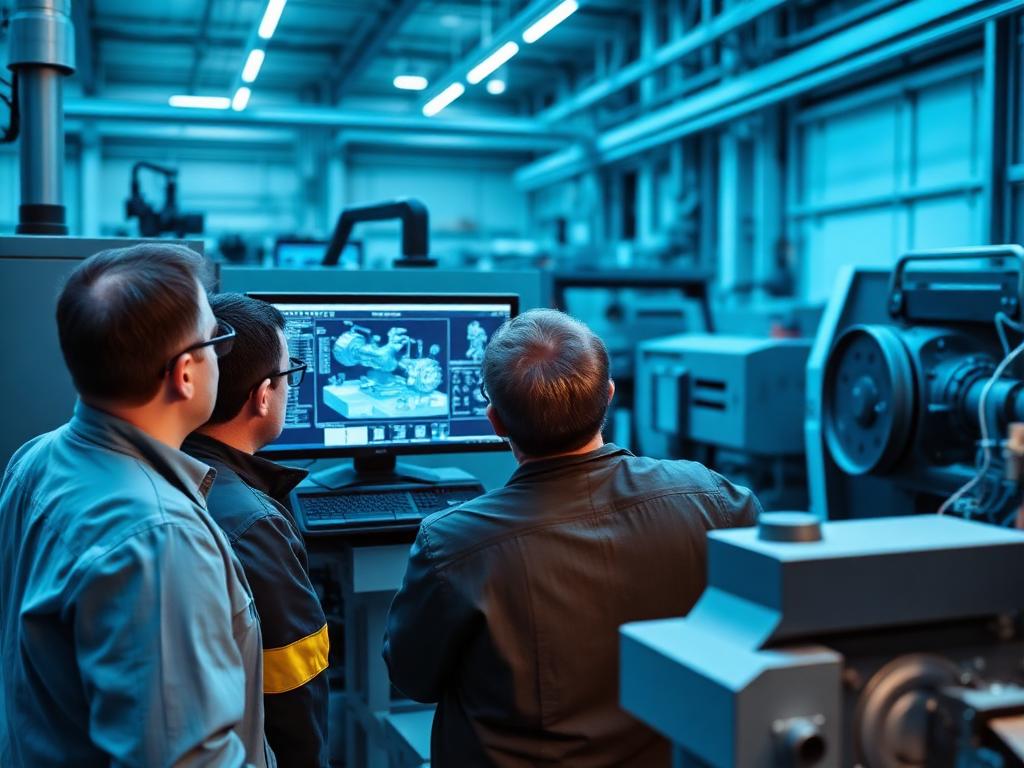
Family 01 · 4 industries
Heavy Engineering & Metals
PLC, SCADA and drive control for plants that run hot, heavy and continuously — where a control fault stops the whole floor.
Engineering & Heavy Industries
Control system integration built for continuous duty cycles.
View industryMetal Industries
Process control for rolling, machining and treatment lines at volume.
View industryForging & Casting
Safety-rated control for the highest-consequence floors we work on.
View industryConcrete Mix & RMC
Batching automation and recipe control for consistent yield.
View industry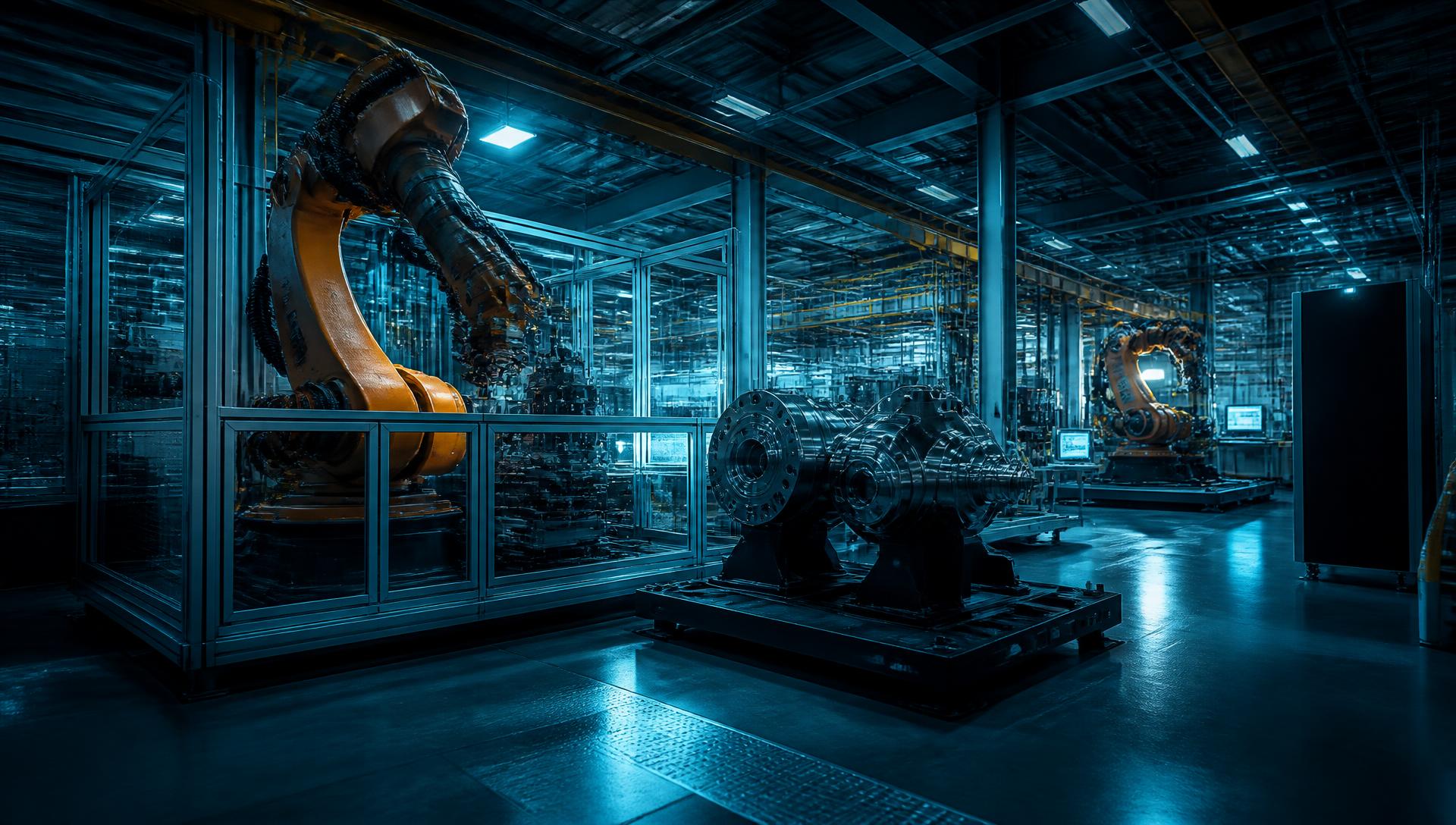
Family 02 · 3 industries
Process & Chemical
DCS, safety instrumented systems and classified-area automation for reactive and hazardous process streams.
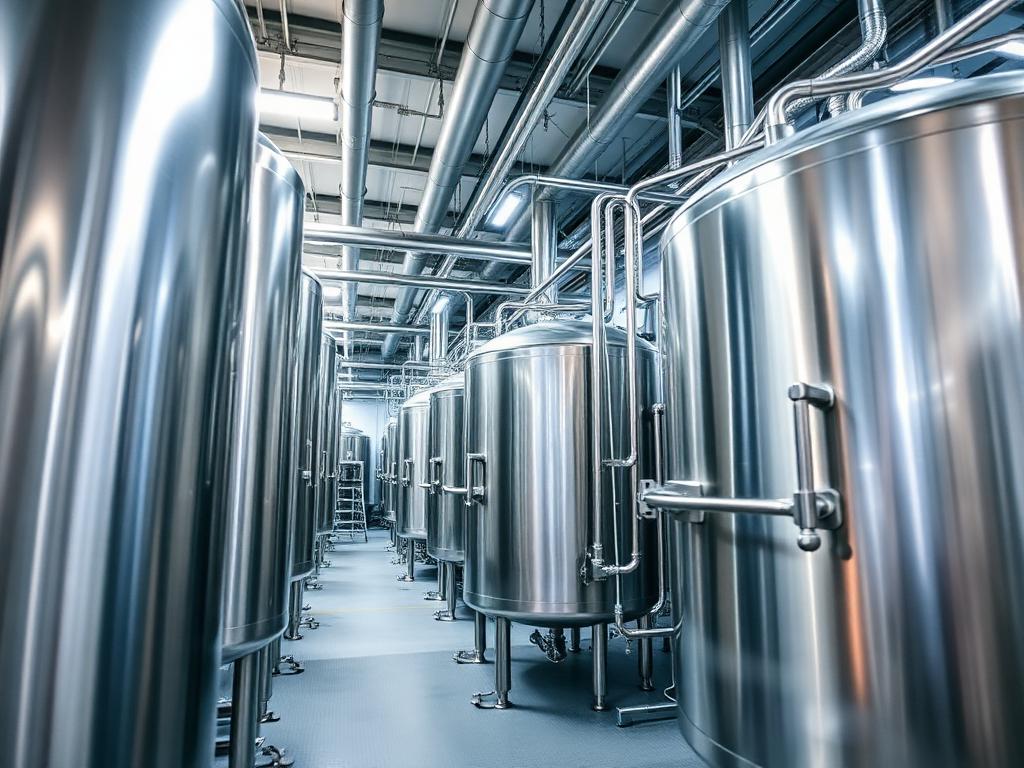
Family 03 · 4 industries
Food, Dairy & Life Sciences
Recipe-driven SCADA, batch control and validated automation for hygienic and regulated production.
Dairy Industries
CIP, batch and cold-chain control with full traceability.
View industryFood & Beverages
Line control and data integration for high-speed filling and packing.
View industrySugar Industries
Season-critical process control with no tolerance for downtime.
View industryPharmaceutical
Validated automation with documentation that passes audit.
View industry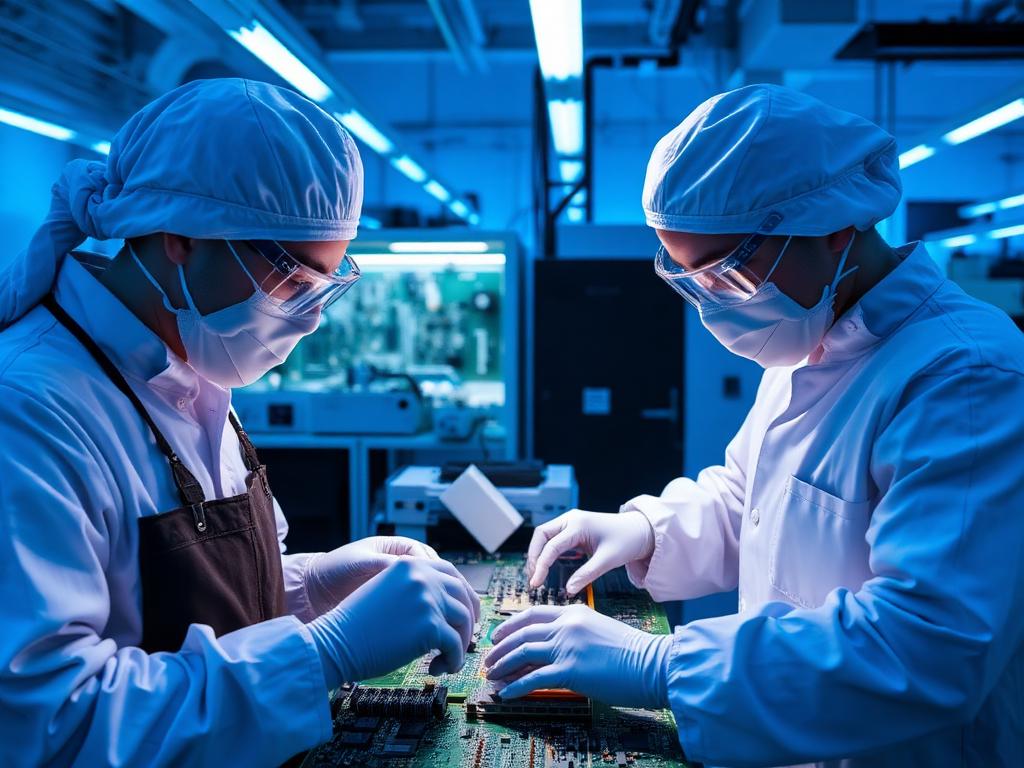
Family 04 · 3 industries
Mobility, Electronics & Assembly
Line control, robotics and traceable automation engineered around takt time, not around the building.

Family 05 · 2 industries
Energy & Renewables
SCADA, monitoring and control integration for generation, storage and industrial load-management systems.
Family 06 · 2 industries
Utilities & Environment
Automated dosing, monitoring and control for water, effluent and heat-rejection systems that must hold compliance unattended.
Let's build
Not sure which category your plant falls into?
Most of our work sits across two or three of these. Describe the problem and we will tell you who on the team owns it.